
Areas of activity
The areas on this page are drawn from the aims and areas of work defined in Article 2 of the society’s bylaws. Each area lists the relevant provisions of the bylaws and describes molecular oncology work that the society aims and plans to carry out.
Multidisciplinary molecular oncology
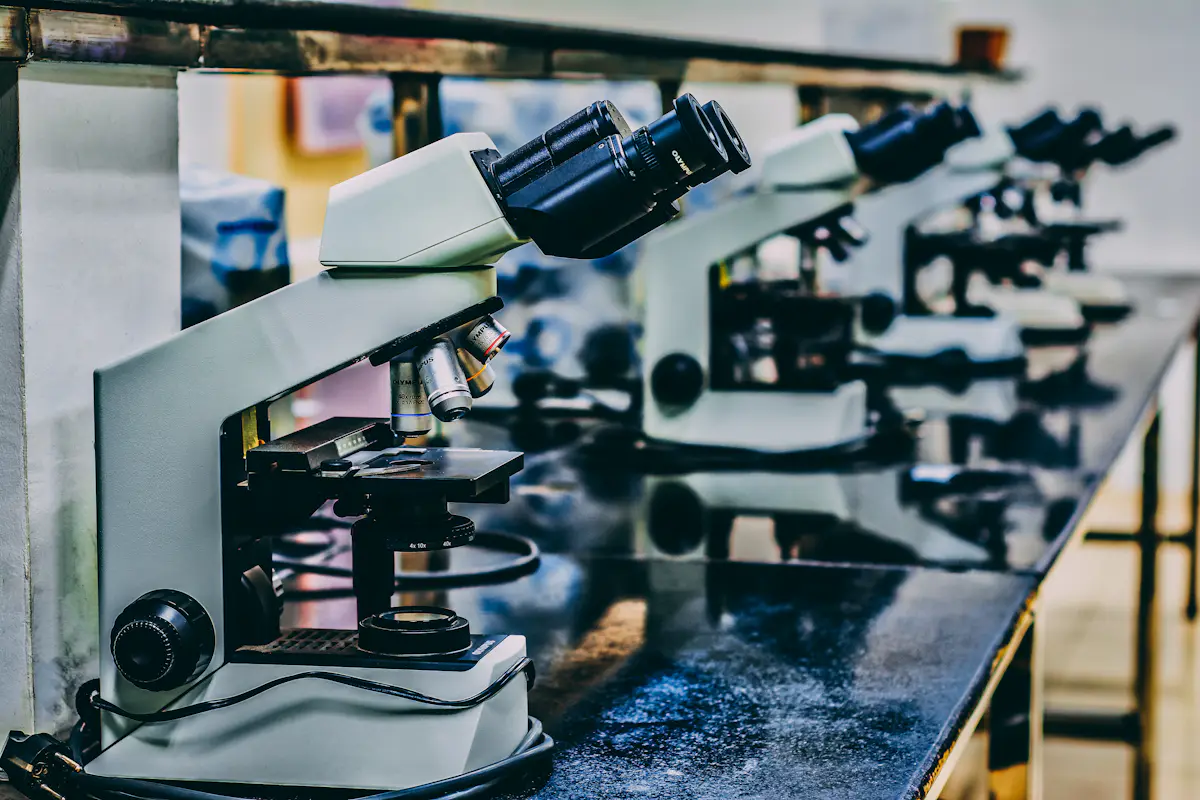
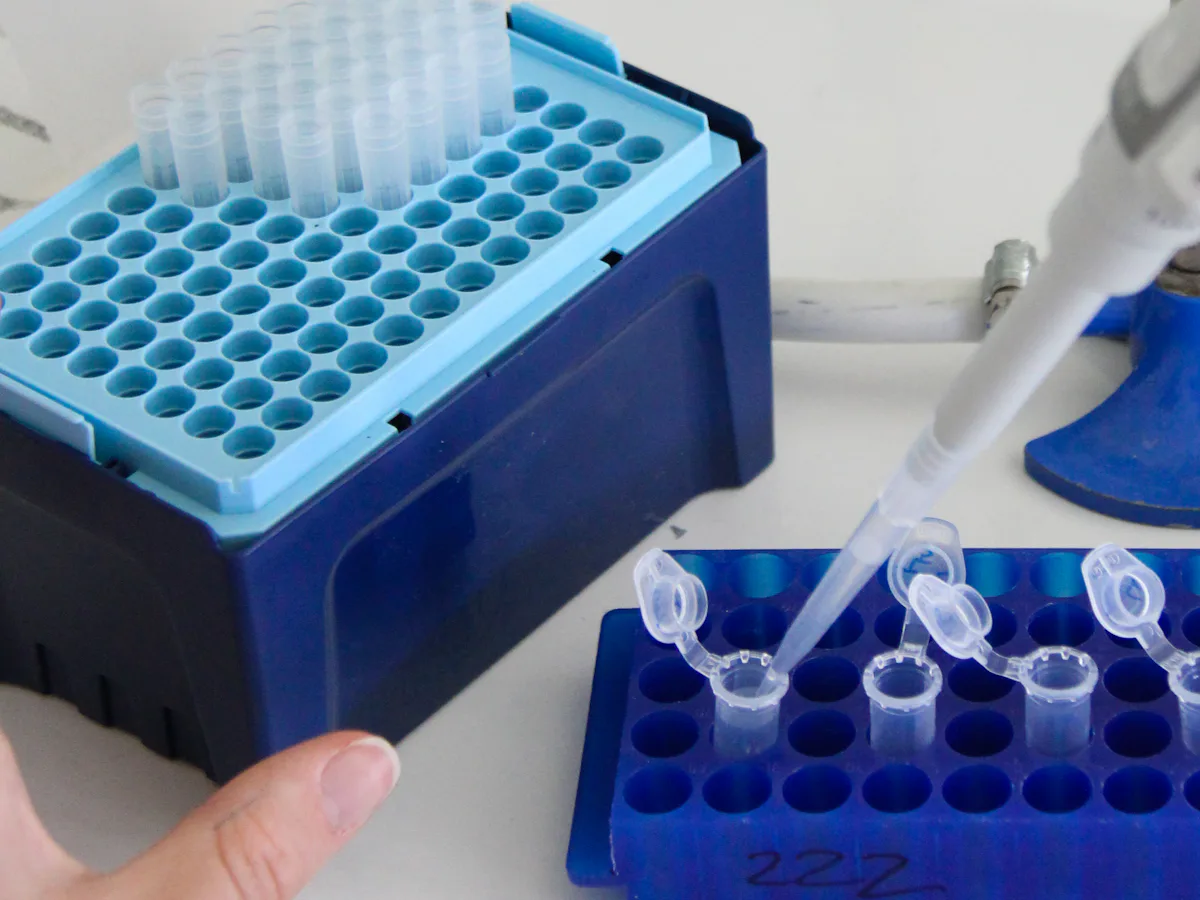
The primary purpose set out in the bylaws is to ground cancer treatment in the genetic alterations found in the tumor tissue and in personalized methods. This approach requires medical oncology, medical genetics, pathology and molecular biology to work together at every step, from choosing the test to interpreting the report. The molecular tumor board is the best-known clinical form of this collaboration.
Article 10 of the bylaws defines a working group chaired by a medical oncologist. It brings together representatives from molecular biology, medical genetics and cancer genetics, pathology or molecular pathology, pharmacy, nursing, nutrition, psycho-oncology, physical medicine and rehabilitation and pain medicine, along with a medical student representative. The group is expected to plan the society’s studies, courses, symposia and congresses.
Bylaws: Article 2 (primary purpose), Article 10(12)
Education
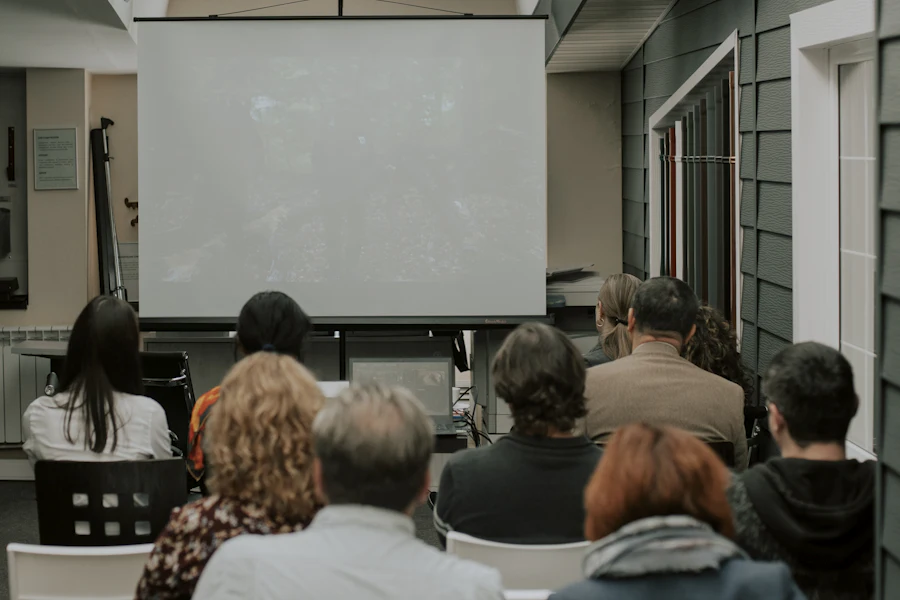
The bylaws list keeping colleagues informed about advances in oncology, before and after graduation, among the society’s general aims. To that end, the society plans courses, seminars, conferences and panels, as well as educational materials on the rational use of medicines and on drugs and treatments.
The intended audience includes physicians first and foremost, along with pharmacy, nutrition, social work, nursing and every other health profession. Planned topics include reading a tumor NGS report, variant classification and interpreting liquid biopsy results, all of which bear directly on clinical decisions. The bylaws also aim to provide financial and non-financial support for medical students and research assistants who take part in educational activities.
Bylaws: Article 2, Article 2(1), 2(7), 2(11)

Scientific meetings
The bylaws define courses, symposia, joint meetings, seminars and congresses in Türkiye and abroad as ways in which the society works. These meetings are intended as settings where colleagues from different disciplines discuss advances in molecular diagnosis and treatment together.
Article 2(7) provides for financial and non-financial support so that members, colleagues, medical students and research assistants can attend scientific meetings in Türkiye and abroad. Event dates, venues and programs will be announced on the Events page once they are confirmed. Events supported by sponsoring organizations fall under the oversight of the Sponsor-Supported Activity Control Committee defined in the bylaws.
Bylaws: Article 2, Article 2(1), 2(7), Article 10(15)

Publications, archive and information
The bylaws aim to keep both members and non-member colleagues informed by closely following advances in diagnosis, drugs and treatment in oncology. Publishing the results of research and events, building an archive and library of Turkish and international publications, and setting up a documentation center are also part of this area.
Publishing newspapers, journals, books and bulletins is among the ways of working defined in the bylaws. The articles, the molecular oncology glossary and the video archive on this website are prepared as a first step toward this aim. All content is based on primary sources and updated in line with the editorial policy.
Bylaws: Article 2(4), 2(6), 2(12)
Research and international collaboration
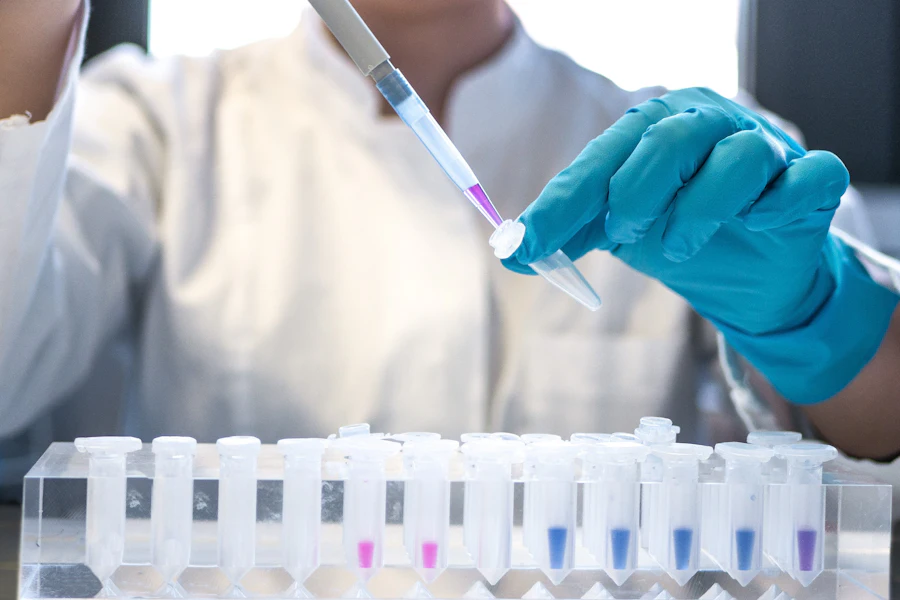
The bylaws aim to conduct research in oncology in cooperation with oncology societies, first and foremost the Turkish Oncology Group Association (Türk Onkoloji Grubu Derneği). Providing financial and non-financial support for the research of members, research assistants and medical students is also part of this area.
Subject to the permits required by law, the bylaws include joint projects with Turkish and foreign institutions and with international bodies such as the European Union, the World Bank and the United Nations. The society also aims to join societies and organizations abroad and to run joint projects with public institutions within their remit. The bylaws further provide for an External Relations Committee made up of members who have worked abroad and have a good command of a foreign language.
Bylaws: Article 2(1), 2(5), 2(8), 2(20), 2(21), Article 10(16)

Professional support and solidarity for members
The bylaws list legal support for members facing professional legal issues among the society’s specific aims. This support is an aim defined in the bylaws; how it will work is to be determined under the authority the bylaws give the Board of Directors.
The bylaws also provide for a fund to support the education of the children of members, or of others who have served the field of oncology, who die or become unable to work. At this stage, this area exists as an aim defined in the bylaws; members will be informed once the fund’s setup and operation are confirmed.
Bylaws: Article 2 (specific aim), Article 2(2)
Taking part
Colleagues who work in or provide services to the field of oncology, as well as medical students, may apply for membership. Under the bylaws, the society’s committees are formed from among its members; every area on this page is set out in Article 2 of the bylaws.